1.1 Locating Tra Co Communal House – Mong Cai
Tra Co Communal House – Mong Cai is situated in the southeast of Tra Co Ward, approximately 50 meters from the coastline. This is a densely populated area where the primary livelihood is fishing and aquaculture. To the south of the communal house lies the open sea; to the north is the Vietnam–China border, roughly 8km away as the crow flies; and to the west and south are the neighborhoods of Nam Tho, Dong Thinh, Trang Lo, and Trang Vi, located around 8km from Mong Cai City via the provincial highway.
See more: Tra Co Beach - One of the Most Beautiful Beaches in Ha Long
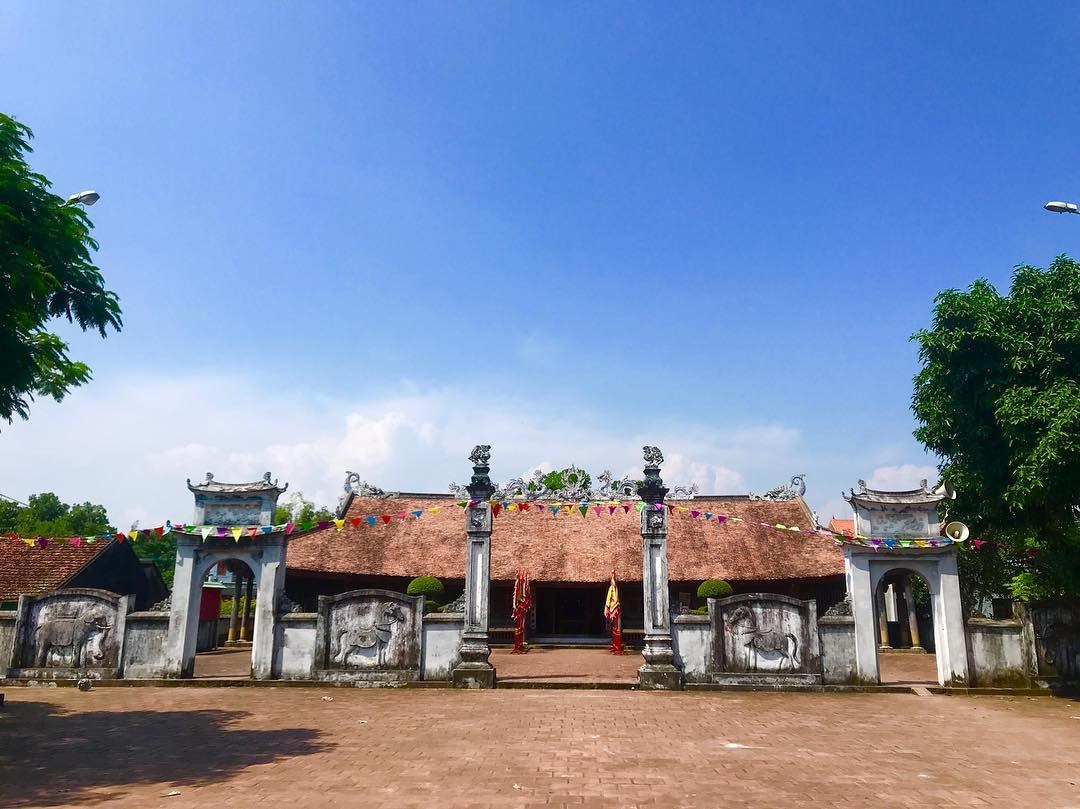
1.2 Unveiling the Legend Associated with This Land
Tra Co Communal House – Mong Cai is a village communal house symbolizing the communal, autonomous life of the rural village. It serves as the village's cultural center, hosting and organizing numerous representative community activities, particularly traditional festivals.
In Mong Cai, whenever the land of Tra Co is mentioned, local residents and visiting tourists alike recall the history of the communal house tied to the legend: “People of Tra Co, ancestors from Do Son.”
Legend has it that during the Later Le Dynasty (in 1461), fishermen from the Do Son region (now part of Hai Phong) often ventured far out to sea and toward estuary waters with their families to make a living (now the Tra Co - Mong Cai coastal waters). During a fierce storm, twelve families drifted ashore on a desolate, windswept peninsula covered only in reeds and mangroves. Unable to endure the harsh adversities, six families found ways to leave and return to their ancestral home. The remaining six families were determined to settle and build a life here, striving hard to establish a new homeland.
See more: Ngoa Van Pagoda - A Majestic and Sacred Buddhist “Holy Land”
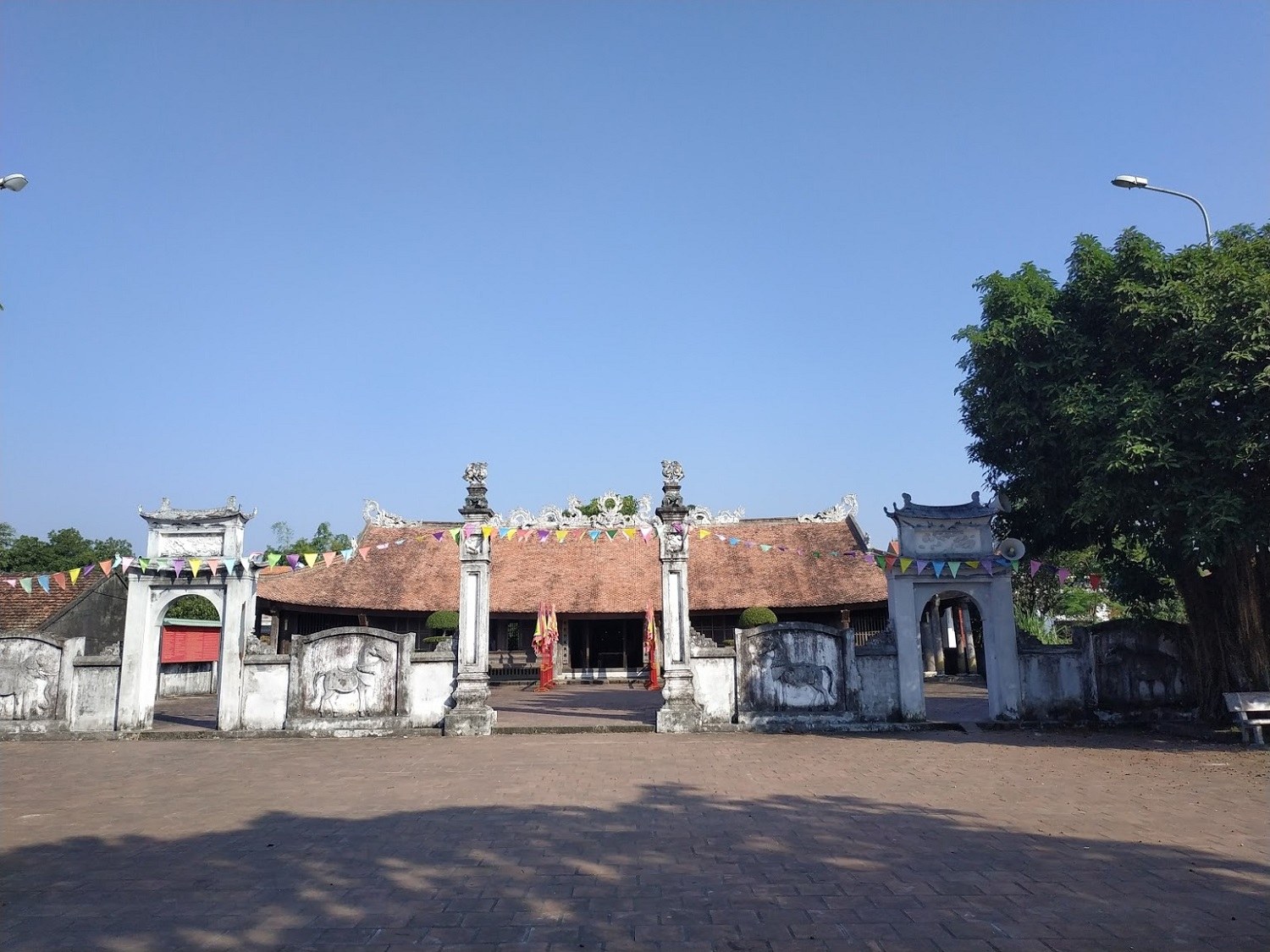
Together, they reclaimed the new land, farming while fishing. Initially, there were only six humble dwellings, which eventually blossomed into a thriving, prosperous village. Much like other villages across Vietnam, Tra Co Communal House was constructed through the contributions of the local populace. Upon completing the building, the villagers returned to their ancestral homeland to receive the sacred incense ashes of the village tutelary deities to worship at the communal house (Quang Trach, Huyen Quoc, Nhan Minh, Giac Hai, Khong Lo). Additionally, this is also where six founding ancestors who pioneered and established Tra Co are venerated.
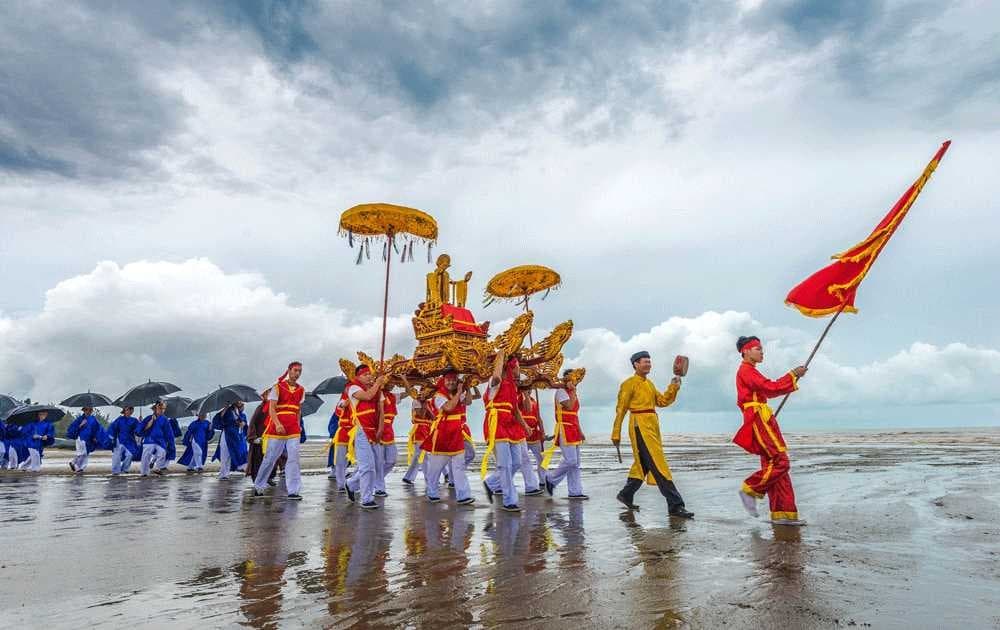
Today, the communal house functions as a public gathering hall—a place where village elders convene to address communal affairs, and the venue for a distinctive village festival held annually on the 30th day of the 5th lunar month.
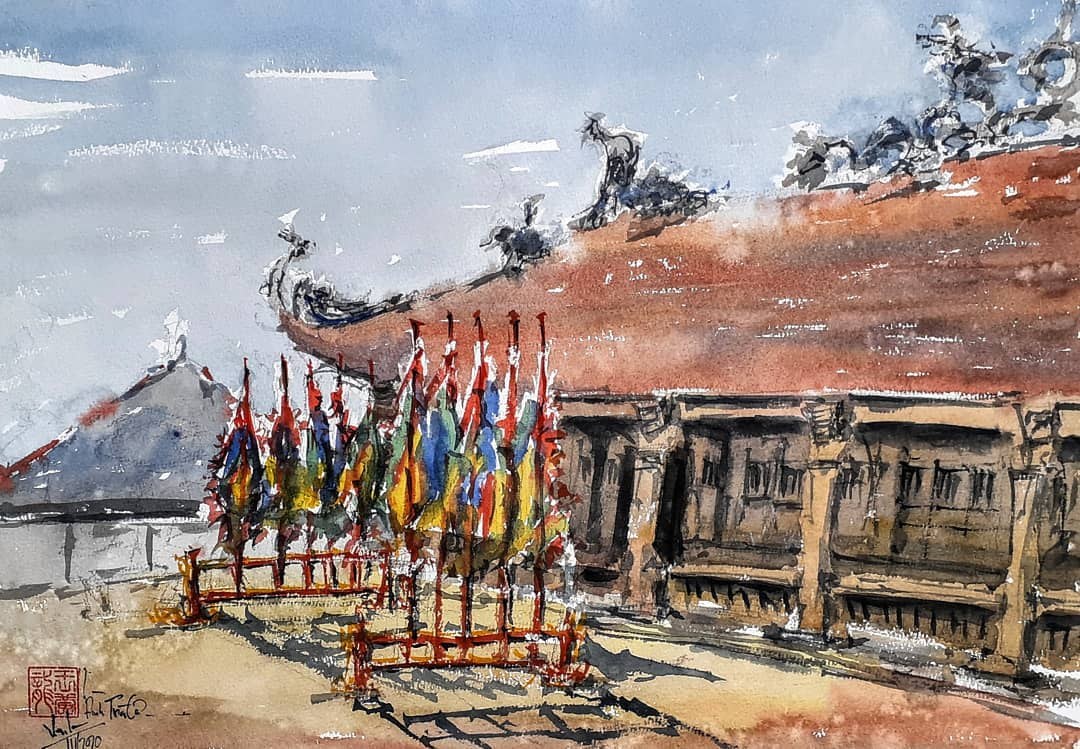
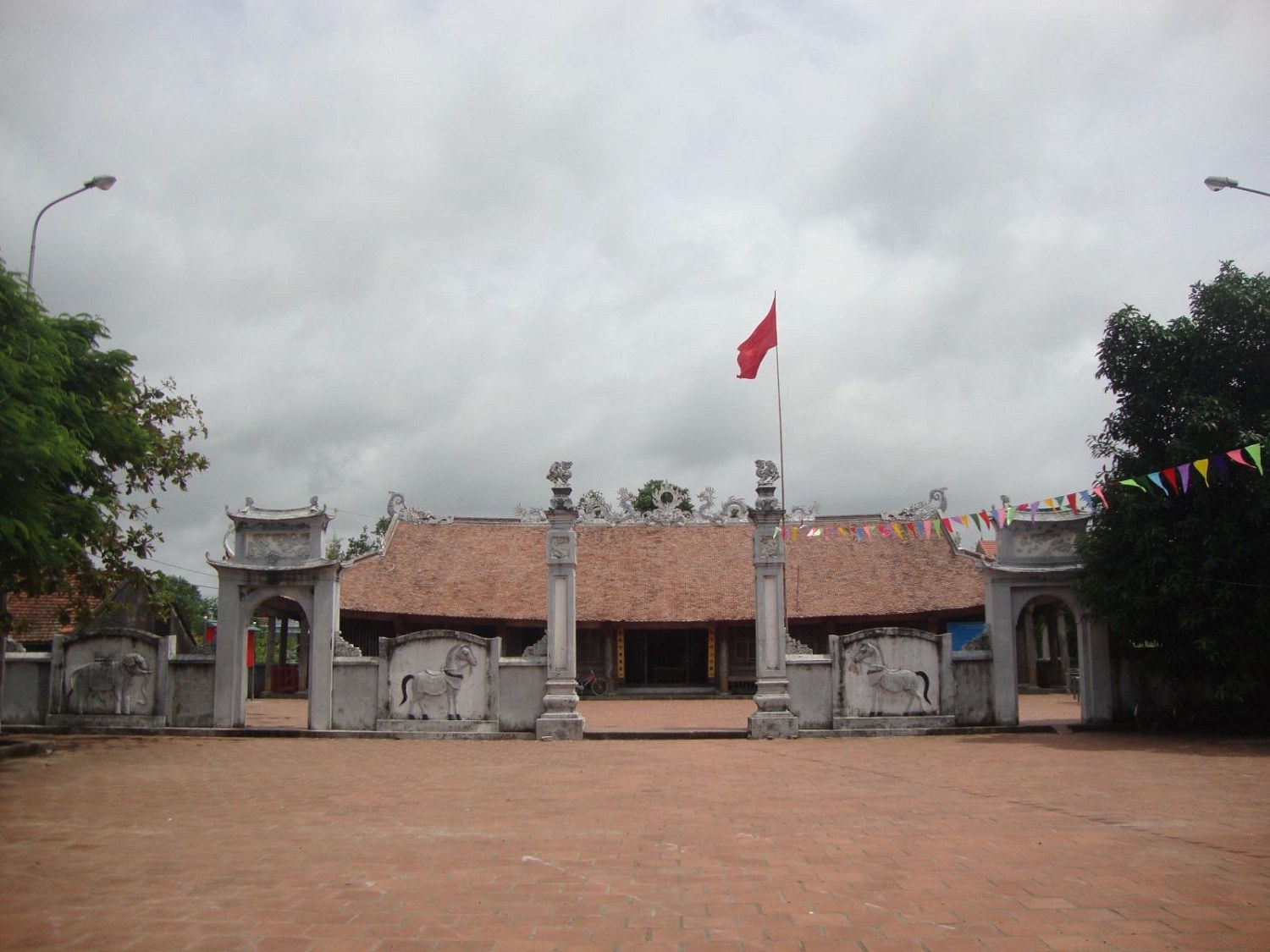
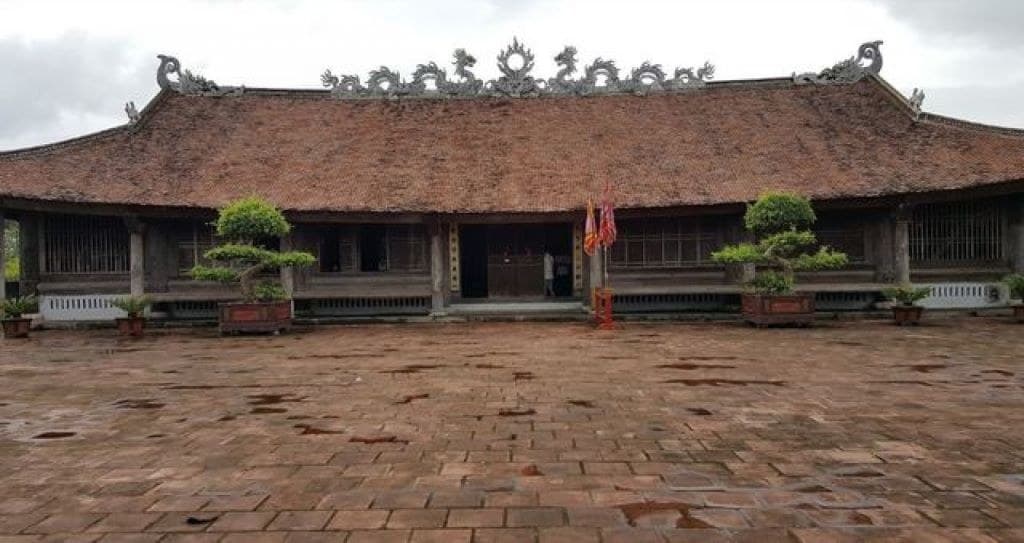
Tra Co Communal House – Mong Cai is one of the largest communal houses in Quang Nam Province, built during the Later Le Dynasty in 1461. It can be regarded as an extraordinary architectural work situated on the northern frontier of our country, officially recognized as a cultural heritage monument in 1974.
The facade faces south and is built in the shape of the Chinese character "Dinh" (丁), comprising 5 bays: two front hall bays and three rear sanctuary bays. The overall architecture appears monumental and stately; however, a closer look reveals soft, supple design lines and elaborate, painstaking carvings both inside and outside the shrine. The communal house is structurally supported primarily by 32 ironwood columns, including 18 side columns and 14 principal columns, which form the vital structural backbone of the entire building. In particular, the columns are linked by horizontal crossbeams, with each end highlighted by sculpted dragon heads.
Under the gifted and meticulous hands of master craftsmen, vivid carved relief panels were fashioned, their craftsmanship attaining the pinnacle of artistry and unfailingly evoking awe from anyone admiring those deft carvings. Adorning the beams and column shafts are horizontal lacquered boards alongside parallel couplets laden with historical significance, offering visitors a deeper insight into the history, life, and people of Tra Co.
Spanning over 500 years with various major and minor restorations, each dynasty bestowed imperial decrees that enhanced the shrine's grandeur, imparting profound significance to the region as well as timeless value to the building. Even so, standing upon that ancient ground, Tra Co Communal House – Mong Cai retains its original structure and layout with the pristine, antique elegance rooted in the Le Dynasty, notably the dragon and phoenix motifs sculpted into the pillars.
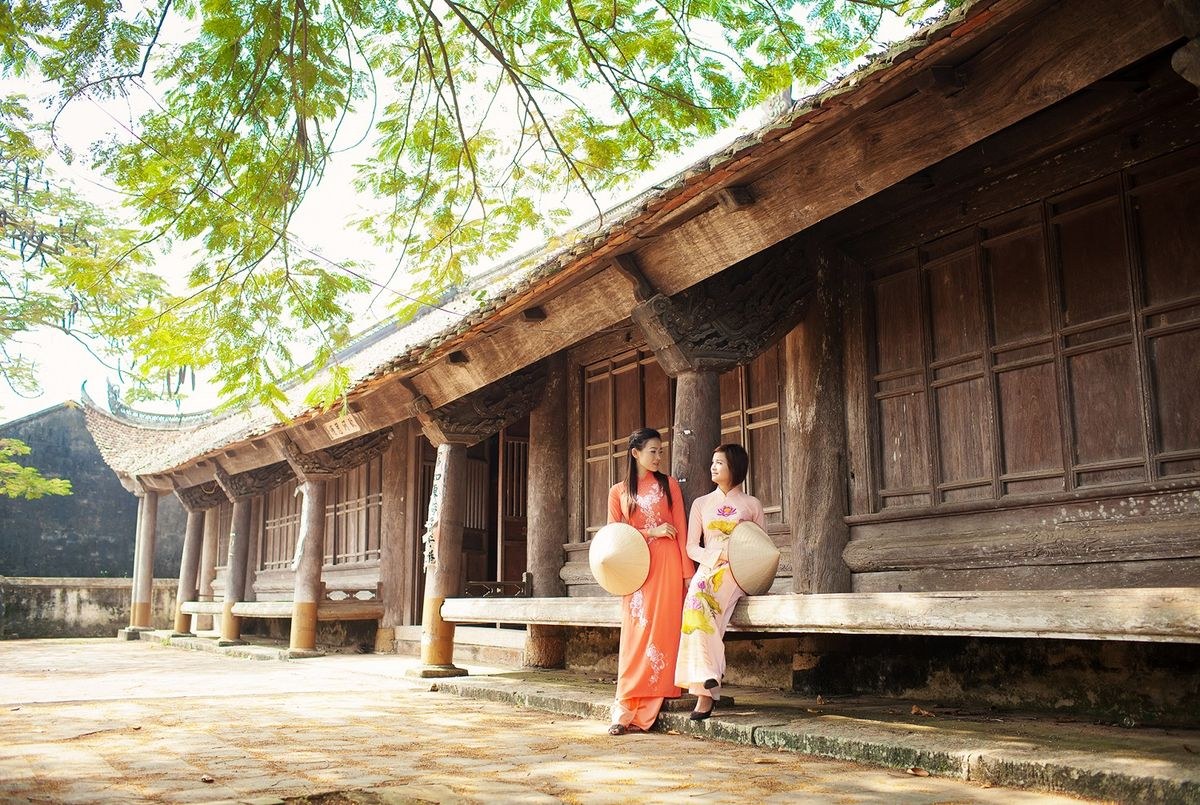
Notably, Tra Co Communal House – Mong Cai is the sole communal house in Quang Ninh Province that still preserves a raised plank-floor system, a hallmark of communal house architecture of that period. The floorboards are elevated about 0.4m above the ground and enclosed with masterfully carved panels. Right at the heart of the shrine lies the rear sanctuary, the area reflecting preservation, consciousness, and heritage restoration most distinctly. Furthermore, the ornamental truss brackets and carved door valances are embellished with swirling spiral motifs carved during the communal house's inception; despite multiple restorations and repainting, they continue to radiate the traditional cultural essence of the Vietnamese people.
See more: Proud Ha Long Bay – Where Dragons Descended on Vietnamese Land
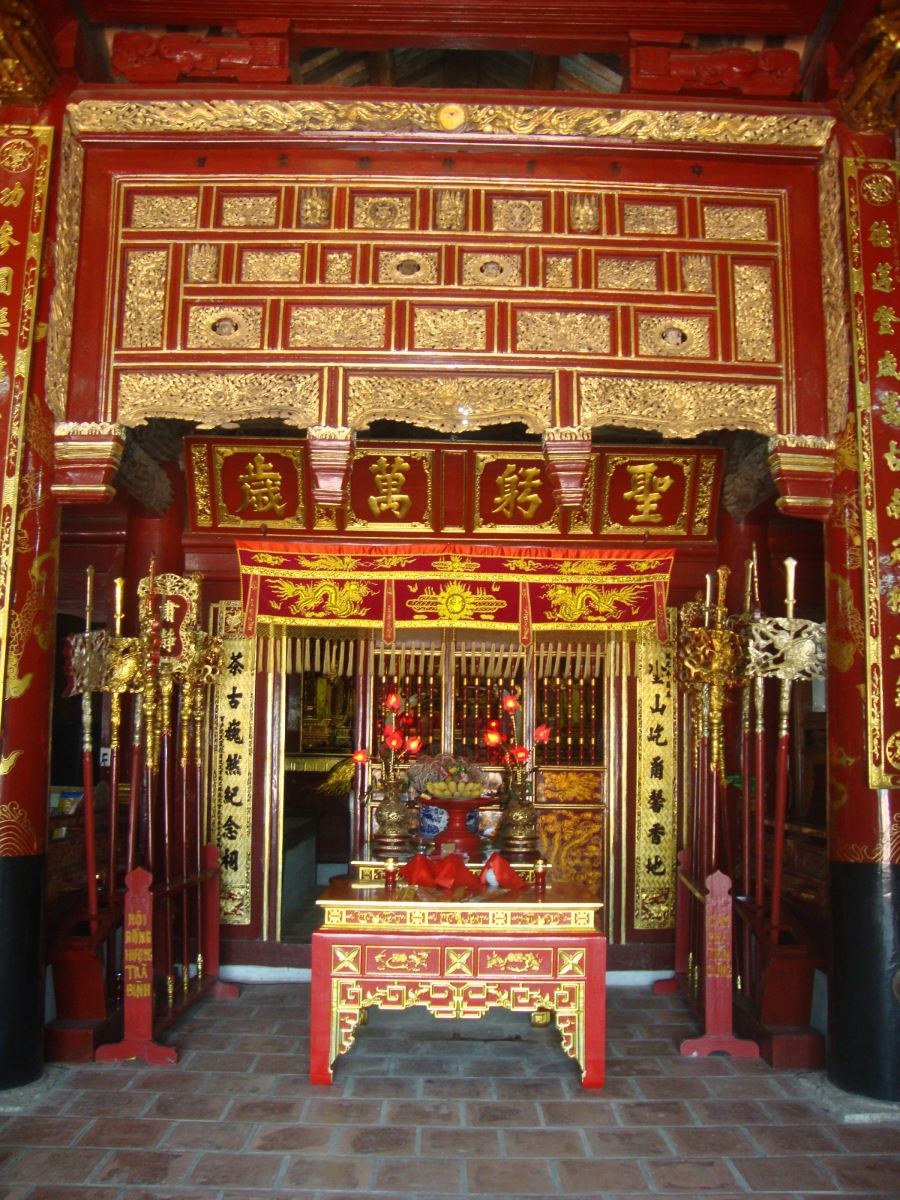
Beyond the beauty preserved across its architectural carvings, Tra Co Communal House – Mong Cai retains an array of precious relics including two altars, a set of eight ritual weapons, an eight-bearer palanquin, a set of bronze ceremonial furnishings, parallel couplets, carved valances, horizontal inscribed boards, and dozens of large calligraphic plaques... The inscriptions on the horizontal boards and couplets resonate with autonomy, valor, and the spirit of national self-reliance, vividly showcasing the distinct cultural identity of the Northeast. These elements not only spark the curiosity of domestic and international travelers with unique architectural values and authentic local customs, but also provide an intriguing subject for researchers. Furthermore, within the consciousness of local residents, Tra Co Communal House – Mong Cai stands as a cultural milestone asserting Vietnam's territorial sovereignty at the nation's frontier.
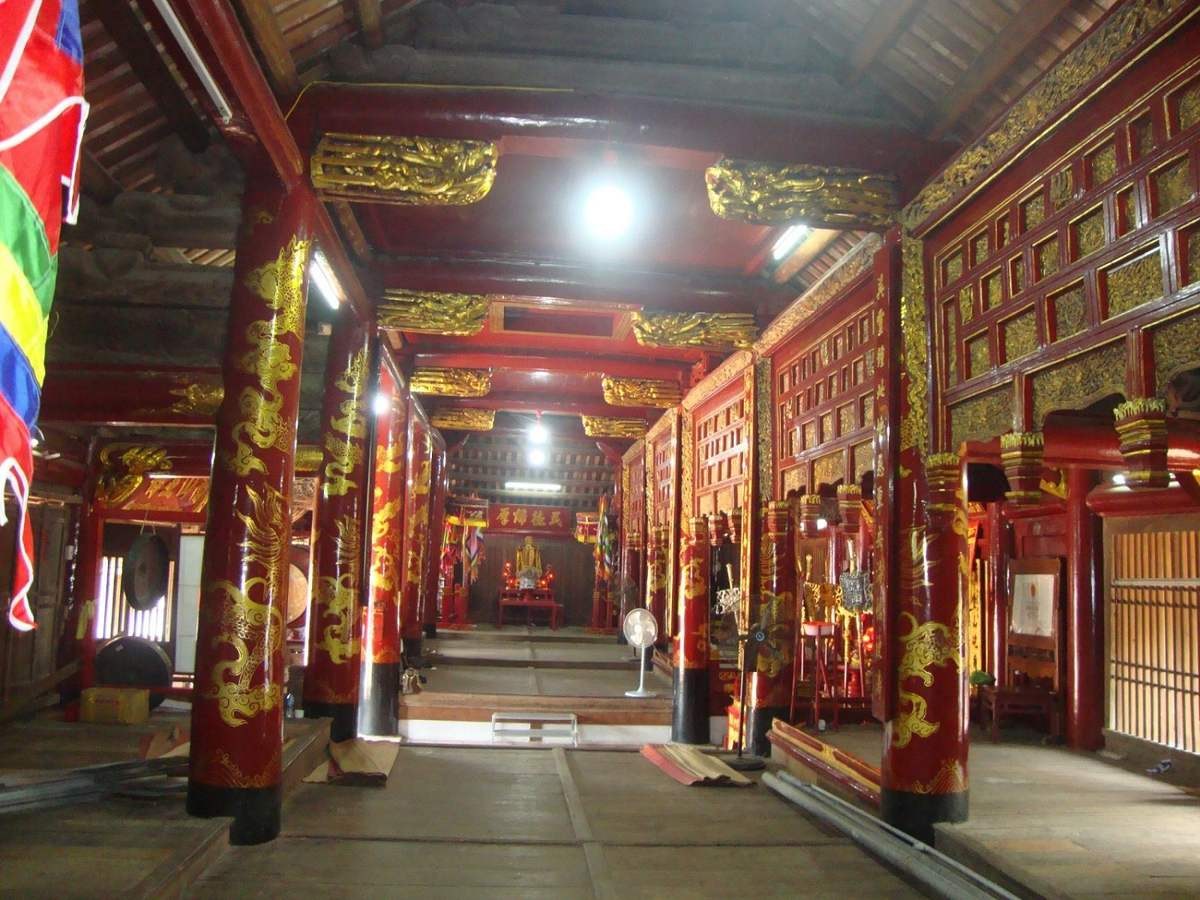
Having weathered centuries of change, Tra Co Communal House – Mong Cai remains largely untarnished by the passage of time. It retains a sacred significance, deeply entwined with generations of Tra Co residents. If you have the chance to visit Mong Cai, do not miss the opportunity to explore and light a stick of incense at this revered, historic communal house.
On this site
No reviews yet
Pick another group of services to complete your trip.

Take a 360° walk first to plan a complete trip.
Dam Ha boasts advantages in expansive marine spaces, pristine landscapes, diverse ecosystems, and a community life closely attached to the sea. This serves as the foundation for the locality to develop diverse and…
Read more
Discover Da Chong Mountain in Quang Ninh with its fascinating stacked rock formations, Yen Lap Lake, travel routes, ideal trekking times, and essential safety tips for your trip.
Read more
A guide to 10 pagodas in Quang Ninh worth visiting for spiritual travel, from Yen Tu and Ba Vang to Cai Bau, Long Tien, Loi Am, and the ancient temples of Dong Trieu.
Read moreClosest to this place





Comments (0)